
Cryptocurrency has changed how people think about storing and transferring money. Bitcoin, Ethereum, and other digital assets have created new ways to participate in financial markets. However, owning cryptocurrency also comes with an important responsibility: keeping it secure.
A crypto wallet helps users manage their digital assets, access blockchain networks, and authorize cryptocurrency transactions. But choosing a wallet requires more than looking at its design or advertised features. Users should understand private keys, recovery phrases, transaction fees, supported networks, and security protections before trusting any service with their assets.
The fintechzoom.com crypto wallet is a search term that brings attention to cryptocurrency wallet information associated with FintechZoom. Before treating it as a specific wallet product, readers should distinguish between FintechZoom’s financial information platform and an independently operated cryptocurrency wallet service.
This guide explains what a crypto wallet does, what to investigate about FintechZoom’s wallet related information, how wallet security works, and which alternatives US cryptocurrency users can research.
What Is the FintechZoom.com Crypto Wallet?
The phrase fintechzoom.com crypto wallet refers to searches for cryptocurrency wallet information associated with the FintechZoom website.
FintechZoom is known for publishing financial and market related information, including cryptocurrency coverage. However, an important distinction is necessary: a website that discusses cryptocurrency wallets is not automatically the company operating a wallet application or holding customers’ digital assets.
A cryptocurrency wallet is software or hardware that allows people to manage access to their blockchain assets.
It generally helps users:
- View cryptocurrency balances.
- Receive digital assets.
- Send cryptocurrency to other wallet addresses.
- Manage private keys.
- Connect with supported blockchain applications.
- Review transaction histories.
- Monitor supported digital assets.
The wallet itself does not usually store cryptocurrency in the same way a physical wallet stores cash. Instead, cryptocurrency remains recorded on its blockchain. The wallet manages the cryptographic keys that authorize access and transactions.
Important: Do not assume that FintechZoom operates a dedicated wallet, provides custody, or guarantees asset protection unless those services are clearly identified and independently verified.
Before connecting a wallet or transferring cryptocurrency, confirm the actual service provider, official website, application publisher, and custody arrangements.
Does FintechZoom.com Actually Offer a Crypto Wallet?
Important distinction
This is the most important point in this review.
Based on the available information, FintechZoom.com is a financial news and information website, not a verified cryptocurrency wallet provider. No independently verified official wallet application, crypto custody service, or wallet registration process was identified.
The website covers financial markets and cryptocurrency topics, but that does not mean it allows visitors to store Bitcoin, send Ethereum, or manage private keys directly.
A third party article may describe a wallet under the FintechZoom name, but that description alone does not prove that the service exists or is officially operated by the website.
For this reason, readers should separate three different activities:
| Activity | What it means |
|---|---|
| Crypto research | Reading cryptocurrency news and educational material |
| Crypto trading | Buying and selling digital assets through an exchange or brokerage |
| Crypto storage | Managing access to digital assets through a wallet or custodian |
These activities can involve different companies and different security arrangements.
Why Does This Confusion Happen?
Cryptocurrency websites often publish articles about wallets, exchanges, blockchain technology, and digital asset security.
Search engines may also display third party articles that use a website’s name in a wallet related headline. This can make an informational platform appear to offer a financial product.
There is also a risk of impersonation. A fake website or application may use a familiar financial brand to gain visitors’ trust.
FintechZoom.com has published information warning readers about impersonation and similarly named websites. Its genuine domain is fintechzoom.com. FintechZoom+1
My recommendation: Do not download an application, transfer cryptocurrency, connect an existing wallet, or enter a recovery phrase simply because a page claims to offer an official FintechZoom wallet.
What Is a Cryptocurrency Wallet and How Does It Work?
To understand what you should look for in a wallet, it helps to know how the technology works.
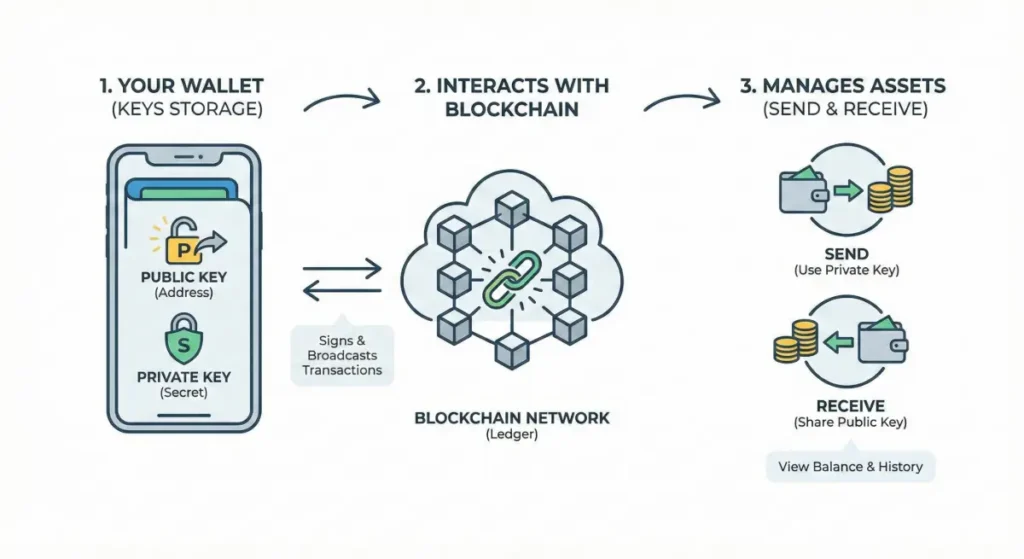
A cryptocurrency wallet is a digital tool that manages the cryptographic keys used to access and control blockchain assets.
Unlike a traditional leather wallet, it does not physically hold Bitcoin or Ethereum. The blockchain records the assets, while the wallet provides the keys needed to authorize transactions.
Public Keys and Private Keys
A wallet uses two important types of cryptographic information.
Public key: This is used to generate or support wallet addresses that other people can use to send cryptocurrency to you.
Private key: This is a confidential cryptographic key that authorizes transactions and provides control over the associated assets.
Think of a public address as an account destination and a private key as the authority to spend the funds.
You can share your receiving address when someone needs to send cryptocurrency. You should never share your private key.
What Is a Recovery Phrase?
Many self custody wallets generate a recovery phrase, often containing 12 or 24 words.
This phrase can help restore wallet access if your device is lost, damaged, or replaced.
However, it also creates a serious security responsibility. Anyone who obtains your recovery phrase may be able to access the assets controlled by that wallet.
Keep it offline in a secure location. Never enter it into an unfamiliar website or send it to someone claiming to provide technical support.
The SEC explains these concepts in its Crypto Asset Custody Basics for Retail Investors. Investor
Types of Crypto Wallets You Should Know
Not every wallet works the same way. Choosing one depends on how frequently you use cryptocurrency, how much you hold, and how much responsibility you want for security.
1. Hot Wallets
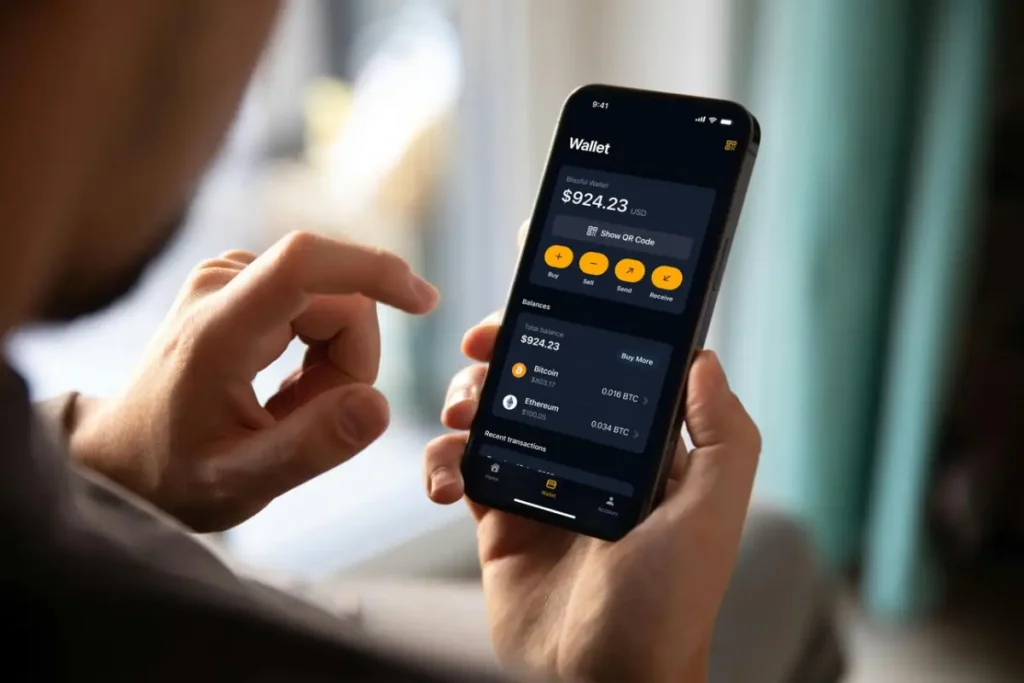
A hot wallet is connected to the internet. It may be available as a mobile application, browser extension, or desktop program.
Hot wallets are popular because they provide convenient access to digital assets.
Common uses include:
- Sending and receiving cryptocurrency.
- Connecting to decentralized applications.
- Checking token balances.
- Interacting with blockchain services.
- Managing smaller amounts for regular transactions.
The main drawback is online exposure. Malware, phishing websites, compromised devices, and malicious browser extensions can put wallet security at risk.
Hot wallets are convenient, but users should take extra care with permissions and connected applications.
2. Cold Wallets
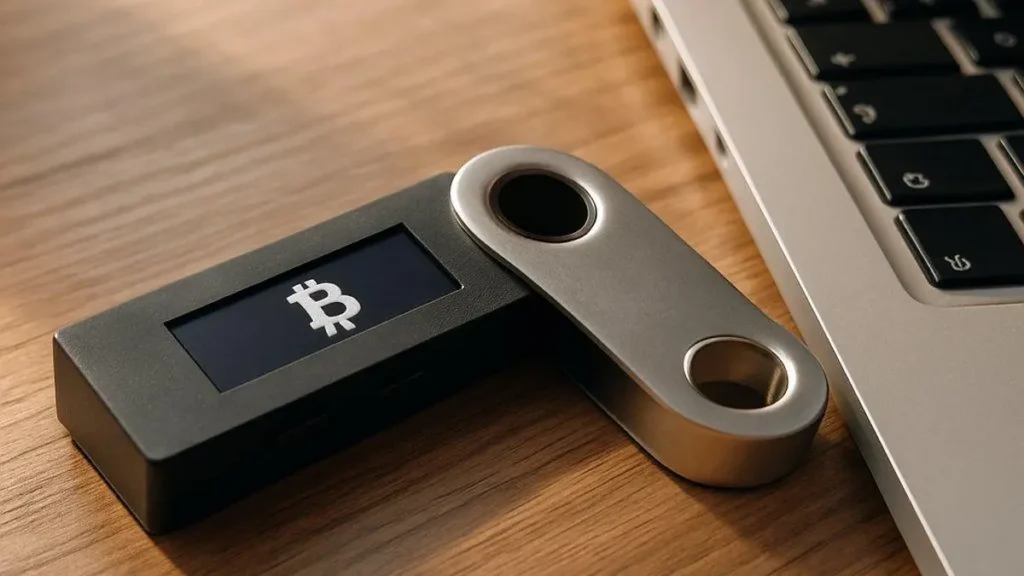
A cold wallet keeps private keys offline or otherwise isolated from routine internet connected activity.
Hardware wallets are a common example.
They are designed to reduce exposure to online attacks by keeping sensitive key operations away from an ordinary internet connected environment.
Potential benefits include:
- Greater isolation from online threats.
- Control over private keys.
- Suitable options for long term storage.
- Transaction approval on a separate device.
However, cold wallets are not risk free. A device can be lost, stolen, damaged, or compromised through a fraudulent setup process.
Always purchase hardware wallets directly from the manufacturer or an authorized seller. Follow the manufacturer’s instructions when creating and backing up the wallet.
3. Custodial Wallets
A custodial wallet is managed by a third party.
For example, a cryptocurrency exchange may hold private keys on behalf of customers. Users typically access their accounts through a username, password, and additional security checks.
Advantages can include:
- Easier account recovery processes.
- Convenient buying and selling.
- Customer support.
- Simplified access for beginners.
The main disadvantage is that you do not have exclusive control of the private keys.
If the provider experiences financial problems, a security breach, or an account freeze, access to your assets may be affected.
4. Non Custodial Wallets
A non custodial wallet gives users direct control over their private keys or recovery information.
You are responsible for protecting your wallet and approving transactions.
This arrangement provides more direct control, but it also places more responsibility on the owner.
If you lose your recovery phrase and have no other valid backup, you may permanently lose access to your assets.
Comparing Wallet Types
| Wallet type | Key control | Convenience | Main concern |
|---|---|---|---|
| Hot wallet | Depends on provider | High | Online attacks |
| Cold wallet | Usually user controlled | Moderate | Physical loss |
| Custodial wallet | Third party | High | Provider risk |
| Non custodial wallet | User | Moderate | Lost keys or recovery phrase |
The right choice depends on your needs, technical knowledge, and risk tolerance. There is no single wallet that is best for every cryptocurrency user.
Features to Look for in a Reliable Crypto Wallet
If you are comparing cryptocurrency wallets, focus on practical security and usability rather than attractive promotional claims.
A reliable wallet should explain how it manages private keys, which blockchain networks it supports, and what happens if you lose access to your device.
Here are the most important features to examine.
Private Key Control
Start by finding out who controls the private keys.
With a self custody wallet, you generally control the keys. With a custodial service, the provider manages them.
Neither arrangement is automatically perfect. Self custody gives you more direct control but requires careful backup practices. Third party custody can be easier for beginners, but it introduces reliance on the provider.
Two Factor Authentication
Two factor authentication, commonly called 2FA, adds another security step when accessing an account.
For example, a custodial service may require a password and an authentication code.
Look for authentication methods that are harder to intercept, such as an authenticator application or a hardware security key.
Remember that 2FA on an account does not necessarily protect a self custody wallet if someone obtains its recovery phrase.
Supported Cryptocurrencies
Check the exact assets and blockchain networks supported by the wallet.
Some wallets support Bitcoin, Ethereum, and selected tokens. Others are designed for particular blockchain ecosystems.
For example, receiving an asset on the wrong network can create serious problems.
Before transferring cryptocurrency, confirm:
- The exact asset name.
- The correct blockchain network.
- The receiving address.
- Any network compatibility requirements.
- Minimum deposit and withdrawal limits.
Never assume that two assets with similar names use the same blockchain.
Backup and Recovery Options
A good wallet should clearly explain how to restore access.
Find out how recovery phrases are generated, how backups work, and what happens if a device stops functioning.
Avoid services that promise easy recovery but cannot explain who controls the keys.
Transaction History
Transaction history helps users review incoming and outgoing transfers.
A useful wallet interface should make it easy to identify transaction amounts, timestamps, network fees, receiving addresses, and transaction status.
You can also verify transactions through the relevant blockchain explorer.
Clear Fee Information
Cryptocurrency transactions can involve several different charges.
These may include:
- Blockchain network fees.
- Exchange trading fees.
- Withdrawal charges.
- Currency conversion spreads.
- Third party service fees.
A wallet that does not clearly explain applicable charges deserves additional scrutiny.
How to Choose a Crypto Wallet in the United States
US cryptocurrency users have several options, but the best choice depends on how they plan to use digital assets.

Step 1. Decide What You Need the Wallet For
Think about your main purpose.
Do you want to hold Bitcoin for several years, make occasional Ethereum transactions, use decentralized applications, or actively trade digital assets?
Someone who makes frequent transactions may value convenience. Someone holding a significant amount for a longer period may prefer an offline hardware wallet.
Step 2. Research the Provider
Check the company’s official website and identify its legal name.
Look for:
- Company ownership information.
- Customer support channels.
- Security documentation.
- Published terms of service.
- Privacy policies.
- Applicable regulatory information.
For custodial providers, investigate how customer assets are held and what protections exist if the company fails.
Step 3. Check Supported Networks
Confirm that the wallet supports the exact cryptocurrency and network you intend to use.
This is particularly important for tokens that operate on multiple blockchain networks.
Step 4. Understand the Fees
Read the fee schedule before making a deposit or transfer.
A wallet may be free to download but still involve network fees or charges from integrated third party services.
Step 5. Test With a Small Transaction
After confirming that the provider is legitimate and the wallet is configured correctly, consider testing it with a small amount before transferring larger holdings.
Double check the receiving address and network. Cryptocurrency transactions are generally irreversible once confirmed.
Step 6. Secure Your Recovery Information
Create a secure offline backup and keep it away from your everyday devices.
Never photograph your recovery phrase and leave it in an unsecured cloud account. Avoid storing it in ordinary email messages or chat applications.
Crypto Wallet Security Risks You Should Understand
Cryptocurrency security deserves serious attention because digital asset transactions can be difficult or impossible to reverse.
The biggest threats do not always come from sophisticated hackers. Many losses begin with ordinary mistakes or convincing social engineering.
Phishing Websites
Phishing websites imitate legitimate services to steal login information, private keys, or recovery phrases.
They may use similar logos, website designs, and domain names.
For example, a fake wallet website may claim that your account needs verification before you can withdraw cryptocurrency.
Never enter your recovery phrase on a website just because a message tells you to do so.
Fake Wallet Applications
Fraudulent applications may imitate popular wallet products.
Before installing a wallet:
- Visit the developer’s official website.
- Follow its verified download link.
- Check the application publisher.
- Review permissions carefully.
- Avoid unfamiliar installation files.
Do not trust an application simply because it appears in an advertisement or has a familiar logo.
Recovery Phrase Scams
A common scam involves someone pretending to be a wallet support employee.
They may ask for your recovery phrase to fix an account problem or unlock a withdrawal.
This is a major warning sign.
A legitimate wallet support representative should not need your recovery phrase to troubleshoot an ordinary technical issue.
Malicious Wallet Connections
Some decentralized applications request permission to interact with your wallet.
Before approving a connection or transaction, examine the permissions and understand what the application can do.
Revoke unnecessary token approvals when appropriate, using trusted tools for the relevant blockchain.
Public Wi Fi Risks
Avoid managing valuable cryptocurrency accounts over unsecured public networks.
Use trusted internet connections, keep your devices updated, and protect your accounts with strong authentication.
For additional guidance, the Federal Trade Commission provides information about .
Best Crypto Wallet Alternatives to Research
Since no verified official FintechZoom wallet service was identified, readers interested in managing cryptocurrency should compare established wallet providers.
These are examples of separate products, not FintechZoom partners or endorsements.
1. Ledger
Ledger offers hardware wallets designed to keep private keys isolated from everyday internet connected devices. It may interest users researching long term self custody.
2. Trezor
Trezor offers hardware wallet products and self custody tools. Review supported assets, device features, and recovery options before choosing a model.
3. MetaMask
MetaMask is commonly used to access Ethereum and compatible blockchain applications. It offers browser and mobile wallet options.
4. Coinbase Wallet
Coinbase Wallet is a self custody wallet product separate from the company’s custodial exchange service. Users should understand the difference between the two.
5. Exodus
Exodus offers cryptocurrency wallet software with desktop and mobile options. Check its supported assets, network compatibility, and available security features.Visit Exodus
Comparing These Wallet Options
| Wallet | Main category | Common use |
|---|---|---|
| Ledger | Hardware | Offline key protection |
| Trezor | Hardware | Self custody |
| MetaMask | Software | Blockchain applications |
| Coinbase Wallet | Software | Managing digital assets |
| Exodus | Software | Multi asset wallet management |
Product features, supported networks, and security arrangements can change. Check each manufacturer’s current documentation before purchasing or installing anything.
Advantages and Disadvantages of Using a Crypto Wallet
Crypto wallets offer useful ways to access blockchain assets, but they also introduce responsibilities that traditional bank accounts may not involve.
Advantages
- Direct access to digital assets.
- Ability to send and receive supported cryptocurrencies.
- Options for self custody.
- Access to blockchain applications.
- Different storage choices for different needs.
- Greater control over transaction authorization with self custody.
Disadvantages
- Losing private keys can mean permanent loss of access.
- Phishing and malware can compromise wallets.
- Transactions are generally irreversible.
- Network fees can fluctuate.
- Some providers introduce third party custody risks.
- Beginners may find blockchain networks and recovery procedures confusing.
A wallet is a tool, not a guarantee of financial security. Its safety depends on the provider, technology, and the user’s security practices.
Is a Crypto Wallet Insured in the United States?
This is an important issue for American users.
Cryptocurrency held in a wallet does not automatically receive the same protections as money deposited in an FDIC insured bank account.
The FDIC’s deposit insurance applies to qualifying deposits at insured banks, not directly to cryptocurrency held in a wallet.
Similarly, SIPC protection is not general insurance against cryptocurrency price declines or the loss of digital assets held outside its applicable member brokerage protections.
If a wallet provider advertises insurance, read the policy details carefully.
Check:
- What assets are covered.
- Which incidents qualify.
- Who is insured.
- Whether customer assets are covered individually or collectively.
- What exclusions apply.
- How claims are handled.
Do not assume that a provider’s security claims mean your cryptocurrency is guaranteed against loss.
The SEC’s investor education materials explain the risks associated with crypto custody and third party providers. Investor+1
Frequently Asked Questions
1. What is the fintechzoom.com crypto wallet?
The phrase refers to searches for cryptocurrency wallet information associated with FintechZoom.com. However, the website is primarily a financial information publisher, and no independently verified official cryptocurrency wallet operated by it was identified.
2. Does FintechZoom.com offer a Bitcoin wallet?
No verified Bitcoin wallet service operated by FintechZoom.com was identified. People looking to store Bitcoin should research established hardware or software wallet providers and verify their official websites.
3. Can I buy cryptocurrency through FintechZoom.com?
FintechZoom.com is not a verified cryptocurrency exchange or trading platform. It publishes financial and cryptocurrency information, but users should use an independently verified exchange or brokerage for cryptocurrency transactions.
4. Is the fintechzoom.com crypto wallet safe?
There is no verified official wallet product to assess for security. Be cautious of applications or websites claiming to offer an official FintechZoom wallet. Never share private keys, recovery phrases, or account passwords with an unfamiliar service.
5. What is the difference between a hot wallet and a cold wallet?
A hot wallet connects to the internet and offers convenient access to digital assets. A cold wallet keeps private keys offline or isolated from routine internet activity. Hot wallets are convenient for regular transactions, while cold wallets can reduce certain online security risks.
6. Does a crypto wallet store actual Bitcoin?
No. Bitcoin remains recorded on the Bitcoin blockchain. A wallet manages the cryptographic keys that allow users to access and authorize transactions involving their Bitcoin.
7. What happens if I lose my crypto wallet?
If you have a valid recovery phrase or another supported backup, you may be able to restore your wallet on a replacement device. Without the necessary recovery information, you may permanently lose access to your cryptocurrency.
8. Are cryptocurrency wallets free?
Some software wallets are free to download and use. However, blockchain network fees may apply when sending cryptocurrency. Hardware wallets usually require an initial purchase, and some integrated services charge additional fees.
9. Which crypto wallet is best for beginners in the USA?
The best choice depends on your needs. Beginners should compare reputable providers, supported cryptocurrencies, recovery procedures, security features, and fees. A simple interface is useful, but security and transparent documentation matter more.
10. Should I use a hardware wallet for long term crypto storage?
A hardware wallet may be worth considering if you plan to hold cryptocurrency for an extended period. It can help keep private keys isolated from internet connected devices. However, you must protect the device and recovery phrase carefully.
Final Verdict
The fintechzoom.com crypto wallet topic deserves careful attention because it combines cryptocurrency education with an important question about product authenticity.
FintechZoom.com is a financial information website that covers markets and cryptocurrency related subjects. However, the available evidence does not establish that it operates an official cryptocurrency wallet, exchange, or digital asset custody service.
That distinction is important. Reading about Bitcoin and blockchain technology is very different from trusting a website or application with your money.
If your goal is to learn about cryptocurrency, FintechZoom can be one of several financial information sources to explore. If you want to store digital assets, compare established wallet providers such as Ledger, Trezor, MetaMask, and Exodus.
Before making a decision, check the official provider website, understand who controls your private keys, review the fees, and learn how recovery works.